Museums and Culture

7 places · sorted by priority

House of Terror Museum

House of Terror Museum

If you have the time

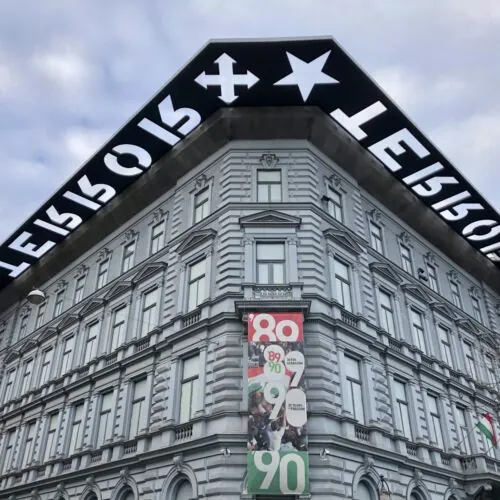
One of the most powerful museums in Budapest, housed in a landmark building on Andrássy Avenue. The building itself has a dark history: it served as the headquarters of both the Arrow Cross and later the Soviet-backed secret police. Today it documents exactly that: the Nazi and Soviet occupations, and the dictatorships that defined 20th-century Hungary. The exhibition is deliberately confronting. It doesn't just lay out the mechanics of oppression, it also puts human faces to it, telling individual stories of courage, resistance and survival alongside the broader history. Not an easy visit, but an important one.
Hungarian State Opera

Hungarian State Opera

If you have the time

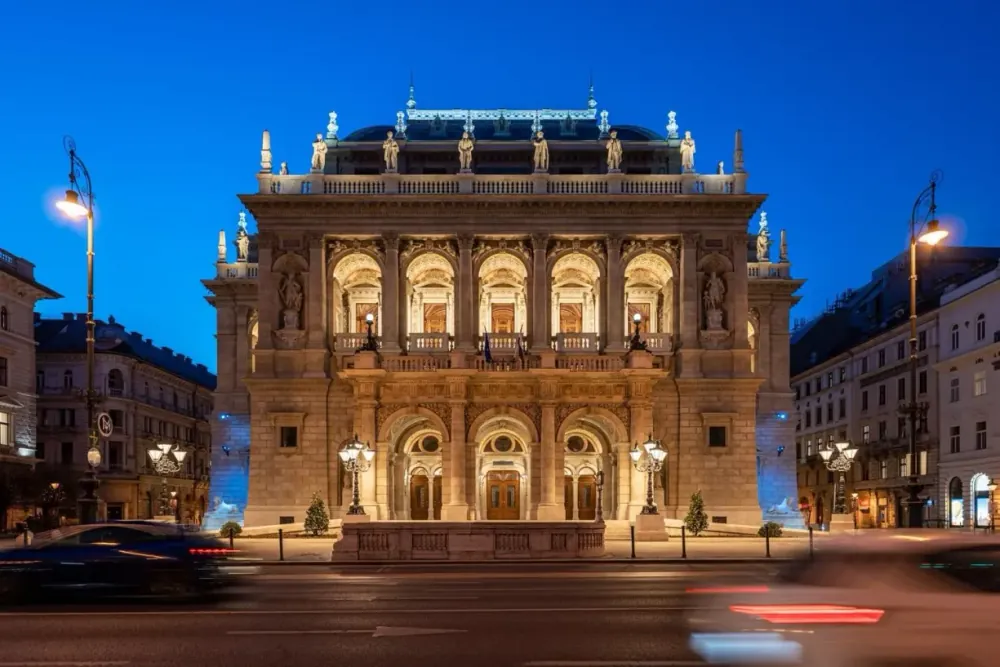
Opened in 1884 and designed by Miklós Ybl, one of the greatest Hungarian architects, the Opera House is one of the finest buildings on Andrássy Avenue. The style is neo-Renaissance with rich Baroque decorative elements, and the interior lives up to the exterior. With 1,300 seats, it's not the largest opera house in the world, but it ranks third in acoustics among European opera houses, behind only La Scala in Milan and the Palais Garnier in Paris. The most famous production is The Nutcracker, which runs throughout December and is so popular that tickets are nearly impossible to come by. If you're in Budapest at Christmas, try your luck early. If you can't get tickets for a performance, guided tours of the building run regularly and are well worth doing on their own.

National Theatre

National Theatre

Longer trips

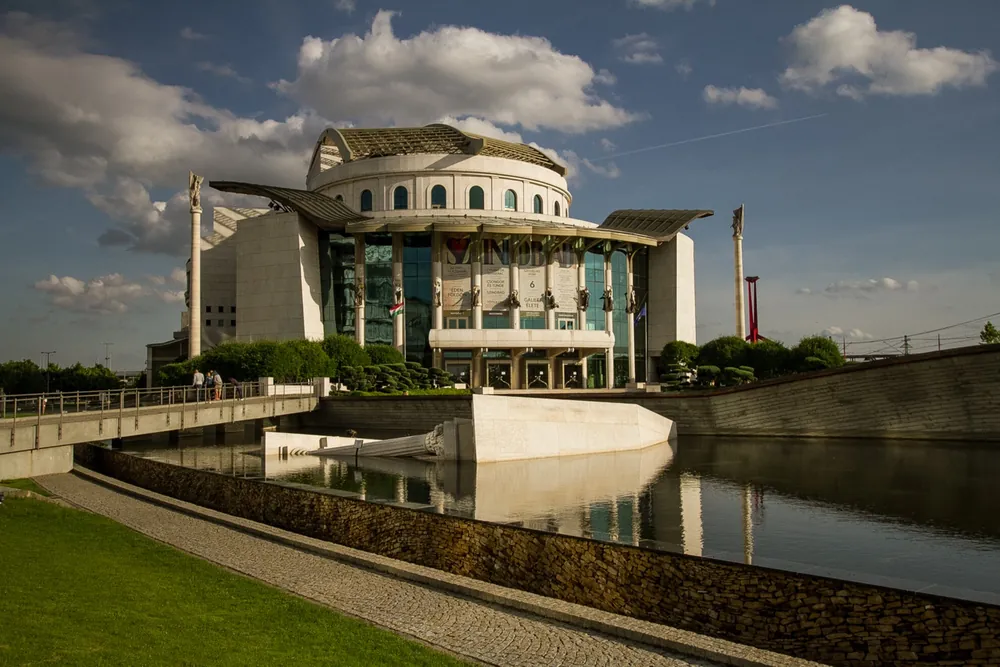
The National Theatre opened in 2002 on the Pest bank of the Danube, just next to Rákóczi Bridge. It had a long and complicated road to get there: the original plan was to build it near Erzsébet Square, closer to the city center, but eventually it became the anchor of a new cultural quarter in southern Pest called the Millennium Cultural Center. The Palace of Arts (MüPa) followed in 2005, right next door. The building is surrounded by a large sculpture park that traces the history of Hungarian theatre, and the whole layout is designed to resemble a ship on the Danube. In summer the outdoor stage and park come alive with events. The park is worth having a stroll around when the weather is nice, as it has some stunning views over the Danube.

Museum of Fine Arts

Museum of Fine Arts

Longer trips

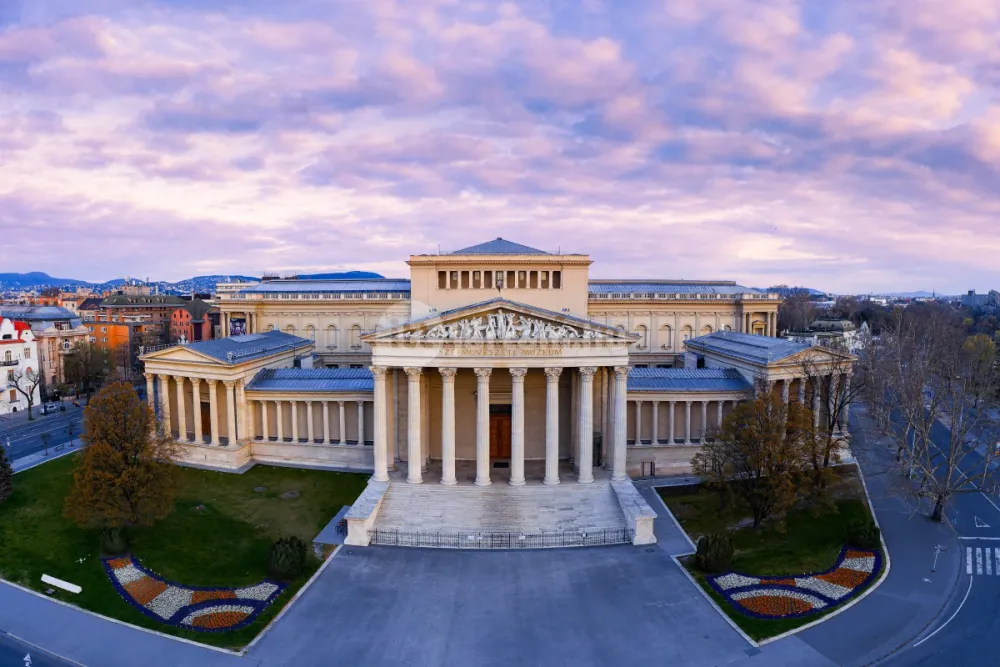
Built between 1900 and 1906 by Albert Schickedanz and Fülöp Herzog, the Museum of Fine Arts sits next to Heroes' Square in an eclectic-neoclassical building that's worth a look on its own. The collection is focused on international works, with over 120,000 pieces spanning all periods of European art. Raphael, Rembrandt, Velázquez, Goya, Monet, Cézanne, El Greco, the list goes on. The works came from various sources over the centuries: Buda Castle, the Esterházy and Zichy estates, and private collectors. If you have any interest in European painting, this place is hard to skip.

Museum of Ethnography

Museum of Ethnography

Longer trips

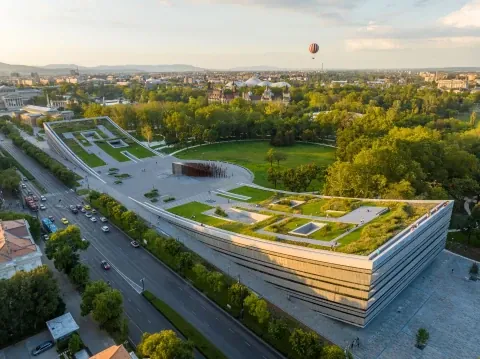
The new Museum of Ethnography building stands on the edge of City Park, acting as a kind of gateway to the park - a nod to the times when the City Park avenue led directly into it. The two spectacular wings, covered in flowering plants and trees, evoke two intertwined hillsides, though you'll likely spot skateboarders weaving around below as well. If you don't mind the metal stairs, climbing to the highest point rewards you with views over City Park and the Buda hills beyond.

Hungarian National Museum

Hungarian National Museum

Longer trips

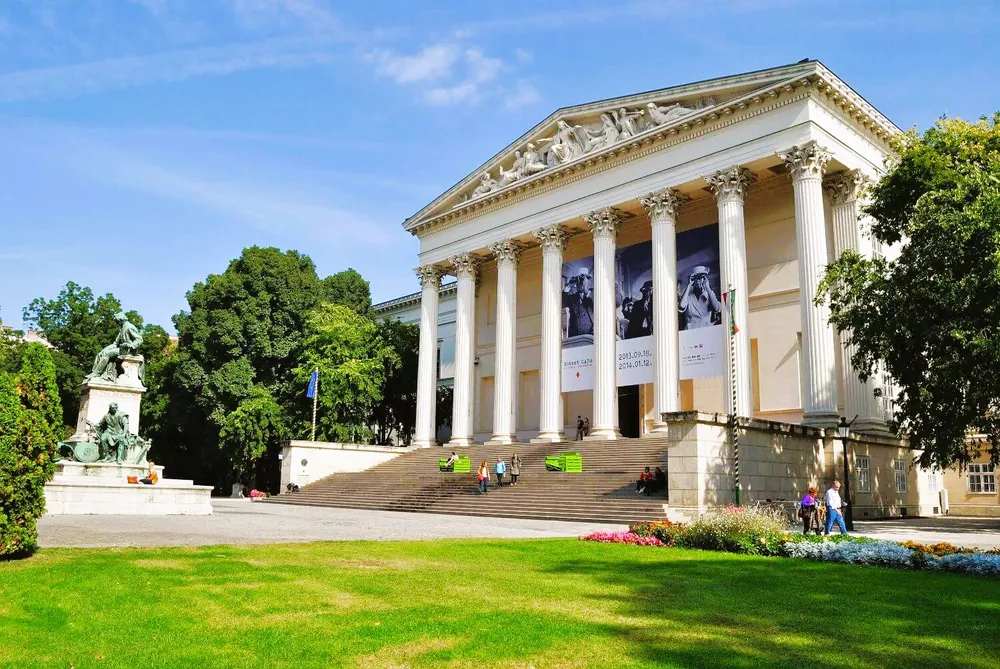
Hungary's largest museum, with nearly 8,000 square meters of exhibition space covering Hungarian culture and history. In over 200 years since its founding, it has built up a vast collection of archaeological, historical and ethnographic finds. It presents Hungarian history as it actually was, the highs and the lows, which makes it genuinely worth your time rather than just another obligatory stop. The garden outside has its own place in history. It was the site of the revolutionary rally on March 15, 1848, one of the defining moments of the Hungarian uprising, as well as meetings, strikes and commemorations over the years. Today it doubles as a pleasant everyday park, which feels like a fitting use for it.

Budapest Retro Experience Center

Budapest Retro Experience Center

Longer trips

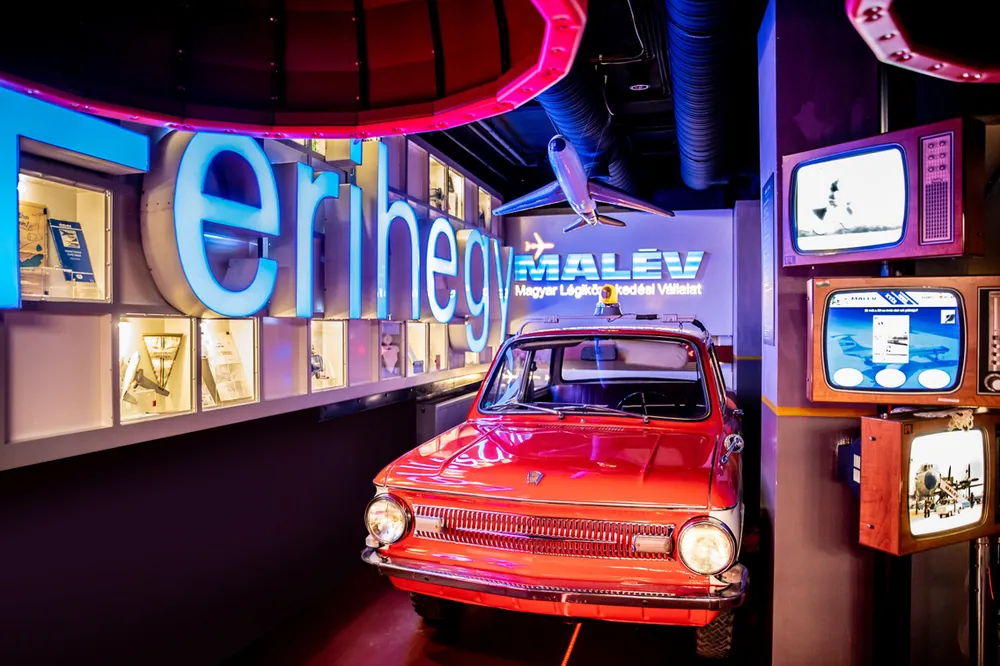
A fun, hands-on museum dedicated to Hungarian life in the 60s, 70s and 80s. Almost everything can be touched and tried out, which makes it genuinely interactive rather than just another display case setup. Old motorcycles, three vintage cars, and a Lada police car converted into a driving simulator are on show. The simulator lets you virtually patrol a classic Budapest apartment, which is as absurd and entertaining as it sounds. Phone booths play jokes, cabaret and key political events from 1960 to 1989. You can try sitting in a retro news anchor's chair, make your own commemorative card, or just wander through recreated panel apartment interiors. Hungarian Grandparents will recognise everything, kids will find it genuinely strange and interesting. Easy to spend a couple of hours here.